01 Look
Front
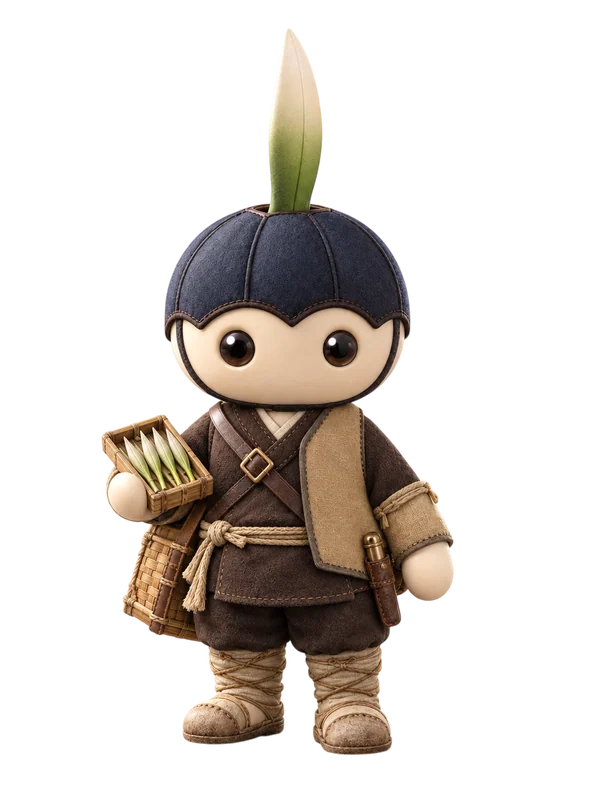
A suede jacket, simple belt and canvas bag create a taiga working look. The bowl holds a schisandra infusion.
A local schisandra infusion and imported tea; the cooking pot is a fantasy motif.
Cultural storiesInner Mongolia (Oroqen Autonomous Banner) and Heilongjiang — the Greater and Lesser Khingan Mountains
Looks after travelling supplies and checks the lids before leaving.
The story / Kotelok
Distinguishes imported tea from a local berry infusion and enjoys both for their different flavours.
Cultural context
Kotelok / Collection
A suede jacket, simple belt and canvas bag create a taiga working look. The bowl holds a schisandra infusion.
A grey-cream shirt and short soft vest are paired with house trousers and leather slippers. A mug of schisandra infusion completes the warm home look.
A blue coat with leather trim is gathered by a belt and paired with tall boots. A birch-bark tea flask accompanies the woodland festive look.
Pale clothing with black leather edging forms the backdrop to a red waistcoat embroidered with cloud motifs. The waistcoat is conceived as a wedding gift for the groom.
Kotelok sets out with a birchbark tea caddy on his shoulder, one paw steadying the strap. Tea leaves and a berry are visible in the hollow of his own head. Leather clothing and embroidered bands continue his woodland story.
A pale robe with black trim and a red waistcoat are paired with a fur hat with embroidered ribbons. A birch-bark box of gift tea is held beneath one paw.
00 / Original form
An iron half-round kettle form grows from a broad grey head, with two lugs and a raised arch. Two tea leaves and a berry sit in its upper hollow, above large dark eyes.
More from our world