tea.toys · tea-room collectibles Encyclopedia · School · Atlas · Pu-erh · Equipment EN · RU · · · FR · ES · AR
tea.toys

home · catalog

Cháchǒng

Nourished by tea — clay beings take on a soul of their own

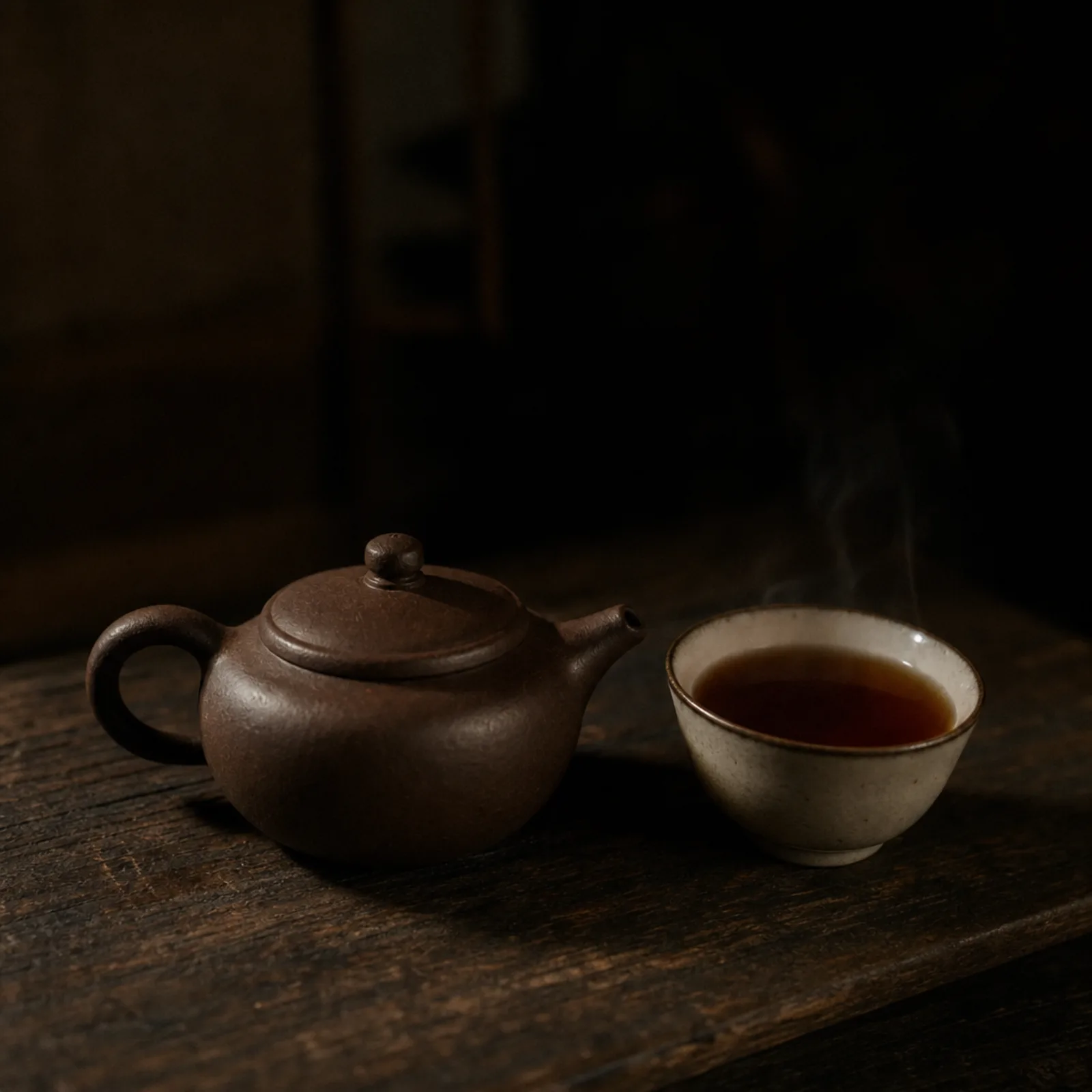
Small enough to rest on the edge of a tea tray, cháchǒng — literally ‘tea pets’ — evolve with every session. As you pour the first rinse over a frog or a pixiu, the porous Yixing clay darkens, smoothes, and grows a lustrous patina. More than ornaments, these figures absorb the character of your tea and your practice, becoming one-of-a-kind pieces that mark the hours spent with the leaf. Our collection brings signed works from Dīngshū, from classic three-legged toads to mythical guardians.

الطين الحي في صينية الشاي

ينحدر Cháchǒng (chá chǒng, 茶宠) من نفس التقاليد التي أنتجت أباريق Yixing. لقرون، قام الحرفيون في منطقة Dīngshū بتشكيل طين zisha الأرجواني في منحوتات تمثالية صغيرة — حيوانات، ووحوش أسطورية، وشخصيات — ليس فقط كحلي صغيرة، بل كمشاركين صامتين في حفل الشاي. عند وضعها على صينية الشاي، أو chábān، تستقبل الشطفة الأولى من كل تسريب. مع مرور الوقت، تحول زيوت الشاي والمعادن والتعامل المتكرر الطين الخام إلى سطح عميق ولامع بدفء لا يمكن أن يضفيه إلا الاستخدام الحقيقي.

على عكس السيراميك المزجج، طين zisha مسامي، مما يعني أنه يتنفس ويمتص جوهر الشاي. حيوان الشاي الذي يُغذى جيدًا سيطلق في النهاية رائحة خفيفة وحلوة عند تسخينه، ويتحول لونه من الكهرماني إلى الماهوجني العميق — سجل حي لكل صنف قمت بسكبه عليه. الضفدع ثلاثي الأرجل، أو sān jiǎo jīn chán، هو رمز كلاسيكي للازدهار؛ pixiu (pí xiū) يطرد الطاقة الضارة ويجذب الثروة. يبني حرفيونا في Yixing و Dehua كل تمثال يدويًا باستخدام تقنيات تقليدية، ويوقعون كل قطعة بختم. لبناء المكان الذي يحتضنها، يقدم tea.furniture مجموعة واسعة من طاولات وصواني الشاي المصممة خصيصًا. للتعمق في الرمزية الثقافية، تغطي موسوعة thetea.app كل حيوان أسطوري. وإذا كنت جديدًا في هذه الطقوس، فإن دورة tea.school حول ‘أسس Gongfu Cha’ ترشدك عبر كل عنصر، من إبريق الشاي إلى أصغر cháchǒng.

وجهان كلاسيكيان، طازجان من الاستوديو

نعمل مباشرة مع ورشة الخزاف Michael Zhan في Dīngshū لتقديم حيوانات شاي منتهية حديثًا — مثل الضفدع ثلاثي الأرجل في طين zisha الأرجواني و pixiu الأحمر zhuni — جاهزة لبدء رحلتها معك.

Automated translation — native review pending.
A buyer's note

How to choose and care for a tea pet

Know your clay

Authentic Yixing zisha feels slightly sandy and warms quickly in the hand. Avoid overly shiny, painted, or waxed surfaces; real patina comes only from tea.

Start a relationship, not a collection

Pick one tea pet that draws you in. The more consistently you pour tea over it, the richer the patina. Switching between different tea types adds complexity.

The first rinse ritual

Use the first rinse (warm, not boiling) to awaken your cháchǒng. Pour slowly, letting the liquid cascade down its contours — this is not about soaking, but about baptising.

Avoid soap and detergent

Never wash a tea pet with soap. If necessary, rinse with pure warm water and gently brush with a soft, dedicated tea brush.

Check the maker’s chop

Every piece we sell carries a visible stamp or signature, often on the base. We authenticate each one in Dīngshū with the master — you can learn more on our authenticate page.

Display when not in use

When your tea table is cleared, a tea pet is best kept in an open, dust-free area — a wooden tray or a shelf that shows off its evolving colour. Prolonged exposure to direct sun can dry the clay.

Common questions

Asked, answered.

What exactly is a tea pet?

A small, porous clay figurine traditionally placed on a tea tray during gongfu cha. It receives the rinse water and develops a patina over time, making it unique.

Do I need to use hot water?

Use the first rinse of your tea, typically water just off the boil, but pour it at a gentle, trickling pace. Direct high-pressure hot water may crack thin parts.

Can I feed a tea pet any type of tea?

Yes. Sheng pu-erh builds a sharp, glossy finish; oolongs add a reddish hue; green teas leave a more matte, amber tone. Mixing teas creates a record of your drinking journey.

Will a tea pet fade or lose its scent?

If left untouched for months, the surface may dry and lose some lustre, but a series of fresh tea pours will reawaken the clay. The aroma is subtle and never overpowering.

Is a tea pet purely decorative?

Far from it. Many collectors treat their cháchǒng as an active participant in the ceremony — the act of pouring tea over it marks the rhythm of the session and adds a meditative layer.

How do I verify authenticity?

We authenticate every piece in situ with the master and provide a card with the chop mark and signature. For details, read our authenticity story at tea.toys/authenticate.

Are there zodiac tea pets?

Absolutely. You can browse by your year of birth on our zodiac section. Each animal is sculpted by hand and poured with care to honour the lunar calendar.